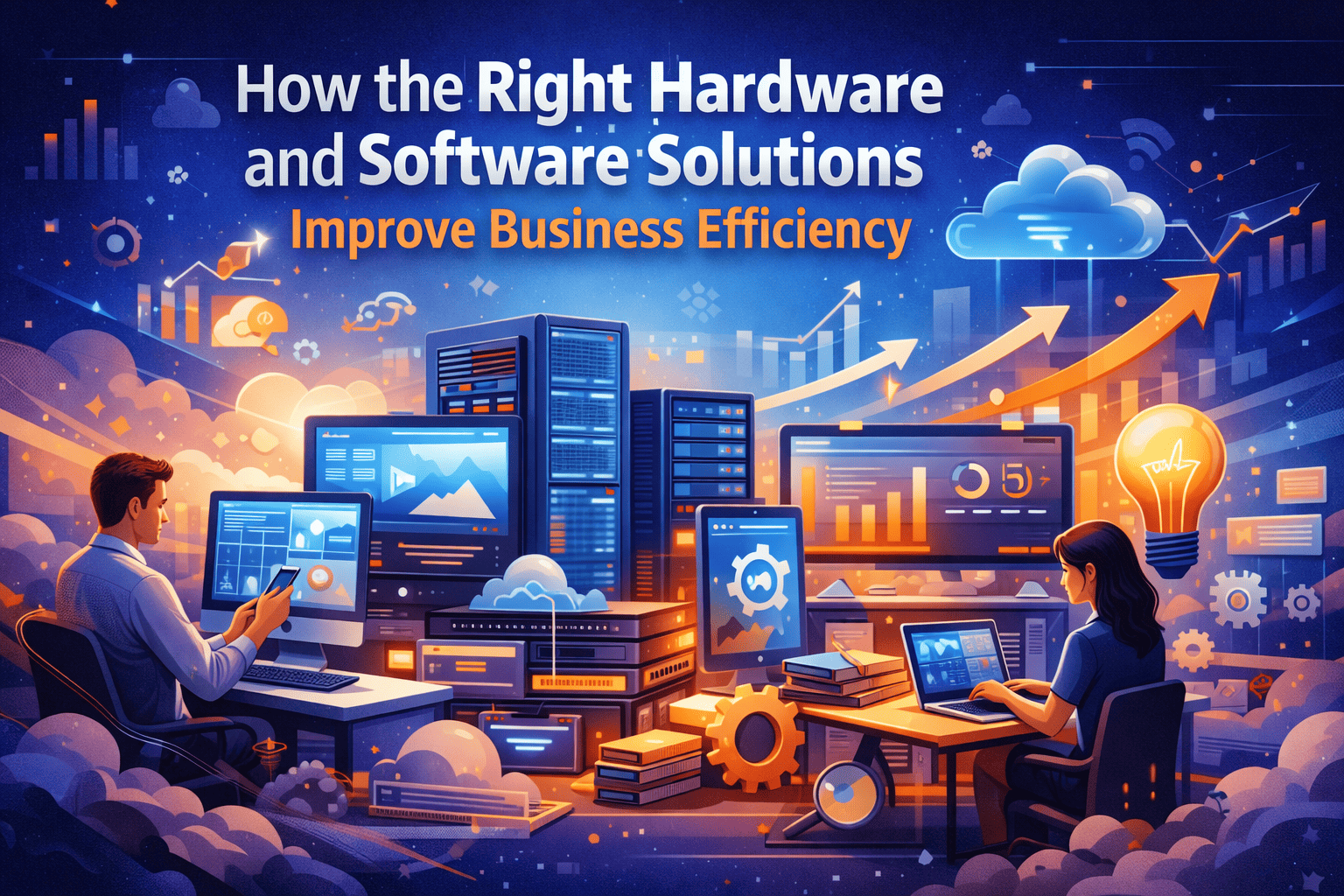
Technology is the foundation of modern business operations. From daily communication and data management to cybersecurity and productivity, companies rely heavily on the right combination of hardware and software to operate efficiently.
However, many organizations underestimate how important technology selection is. Outdated computers, incompatible software, and poorly integrated systems can create productivity bottlenecks, increase security risks, and slow down business growth.
As businesses move further into 2026, the demand for reliable and scalable technology solutions continues to grow. Choosing the right hardware and software is no longer just an IT decision. It is a strategic business investment that directly affects performance, security, and long term success.
Organizations that implement modern technology infrastructure benefit from improved efficiency, stronger cybersecurity protection, and greater operational flexibility.
Why Hardware and Software Selection Matters
Technology impacts every aspect of business operations. When systems are outdated or poorly configured, employees spend more time dealing with technical issues instead of focusing on their work.
Proper hardware and software solutions help businesses operate smoothly and avoid unnecessary disruptions.
Improved Productivity
Modern hardware provides faster processing power, improved storage capacity, and better multitasking capabilities. Employees can complete tasks more efficiently when they have access to reliable computers, servers, and networking equipment.
Software solutions designed for collaboration, automation, and workflow management also help teams stay organized and productive.
Stronger Cybersecurity
Outdated systems are one of the most common causes of cybersecurity vulnerabilities. Older operating systems and unsupported software may no longer receive security updates, making them easier targets for cyberattacks.
Upgrading hardware and implementing secure software solutions significantly reduces the risk of data breaches.
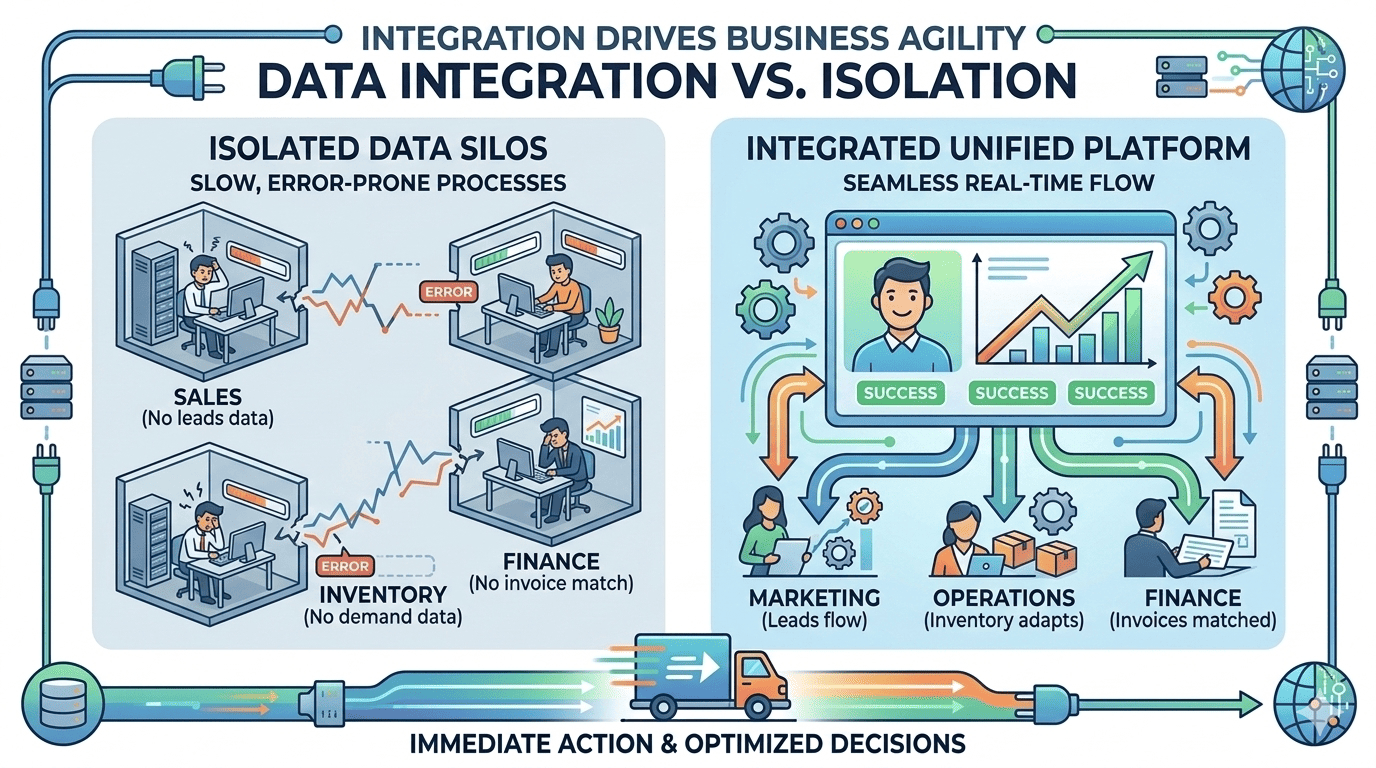
Better System Integration
Businesses often use multiple tools for accounting, communication, project management, and customer relationship management. Properly selected software solutions integrate seamlessly with each other, allowing information to flow efficiently between systems.
This integration improves decision making and reduces manual work.
Scalability for Growth
As businesses expand, their technology needs grow as well. Scalable hardware and software solutions allow companies to add new users, applications, and capabilities without rebuilding their entire IT infrastructure.
Scalability ensures long term flexibility.
Common Technology Challenges Businesses Face
Many organizations encounter similar technology problems when their hardware and software environment is not optimized.
Outdated Equipment
Older computers and servers often struggle to support modern applications. Slow performance leads to frustration and lost productivity.
Software Compatibility Issues
When different software platforms are not designed to work together, businesses experience workflow interruptions and data inconsistencies.
Security Risks
Unpatched systems and unsupported software create serious cybersecurity vulnerabilities that can expose sensitive information.
Lack of Technical Guidance
Without professional guidance, companies may purchase technology that does not match their business needs. This results in wasted investment and inefficient systems.
Working with experienced technology providers helps businesses avoid these challenges.
Looking for Reliable Hardware and Software Solutions?
Partner with experienced technology specialists who provide high quality hardware, trusted software solutions, and expert guidance to help businesses operate efficiently and securely.
Key Hardware Solutions Businesses Need
Reliable hardware is the physical foundation of every IT environment. Businesses rely on multiple types of hardware to support daily operations.
Business Workstations
Modern workstations provide the processing power required for productivity applications, design tools, and data management platforms.
Servers and Storage Systems
Centralized servers allow businesses to store, manage, and protect important data. Advanced storage systems ensure information remains accessible and secure.
Networking Equipment
Routers, switches, and wireless access points enable communication between devices and ensure reliable connectivity throughout the workplace.
Minimalist and Clean Interfaces
Backup Devices
Frequently Asked Questions
Why is choosing the right hardware important for businesses?
The right hardware improves system performance, supports modern software applications, and reduces downtime caused by outdated equipment.
How often should businesses upgrade their hardware?
Most businesses upgrade computers and critical hardware every three to five years depending on usage and performance requirements.
What types of software do businesses typically need?
Can hardware and software upgrades improve cybersecurity?
Essential Software Solutions for Modern Businesses
While hardware provides the infrastructure, software enables functionality and productivity.
Productivity Platforms
Office productivity software supports document creation, collaboration, and communication across teams.
Security Software
Cybersecurity tools such as antivirus protection, endpoint security, and monitoring platforms help safeguard business systems from threats.
Business Management Systems
Customer relationship management systems, accounting software, and project management tools help businesses streamline operations and improve organization.
Cloud Based Applications
Business Survival Threat
Technology Planning for the Future
Technology decisions should not be made in isolation. Businesses must evaluate their current infrastructure and future requirements before purchasing new hardware or software.
Effective technology planning includes:
- Assessing existing systems and identifying performance gaps
- Selecting hardware compatible with business applications
- Implementing secure software environments
- Planning for future growth and scalability
Strategic planning ensures businesses invest in technology that supports their long term objectives.
The Importance of Professional Technology Support
Many companies attempt to manage technology purchases internally without expert guidance. However, selecting the right hardware and software requires deep technical knowledge and experience.
Professional technology providers help businesses:
- Identify the best hardware solutions for their operations
- Recommend secure and reliable software platforms
- Configure systems for maximum performance
- Provide ongoing support and maintenance
Working with experts ensures that technology investments deliver maximum value.
Supporting Businesses in Competitive Markets
Businesses operating in competitive markets must maintain reliable and efficient technology environments to stay productive.
For example, companies serving customers in major business hubs such as Detroit require dependable IT infrastructure to support communication, operations, and customer service.
Reliable hardware and well integrated software systems help organizations maintain operational stability and focus on delivering value to their clients.
Long Term Benefits of Modern Technology Solutions
Upgrading hardware and software provides long term advantages beyond immediate performance improvements.
Benefits include:
- Increased operational efficiency
- Improved cybersecurity protection
- Reduced downtime and technical disruptions
- Better collaboration across teams
- Greater scalability for business growth
Technology modernization allows businesses to operate more confidently and adapt to changing market demands.
Conclusion
Hardware and software solutions form the backbone of every modern business environment. Organizations that invest in reliable technology infrastructure gain a competitive advantage through improved productivity, stronger security, and enhanced operational efficiency.
As businesses continue evolving in 2026 and beyond, selecting the right technology solutions will remain a critical factor in long term success.
Companies that partner with experienced technology providers can ensure their hardware and software systems are optimized to support current needs while preparing for future growth.